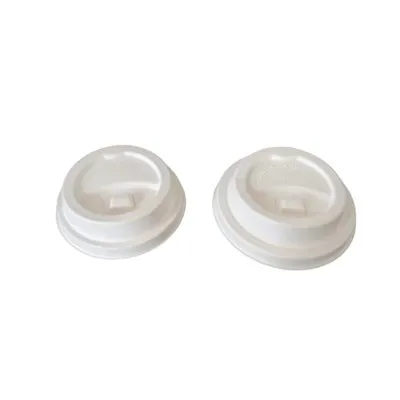
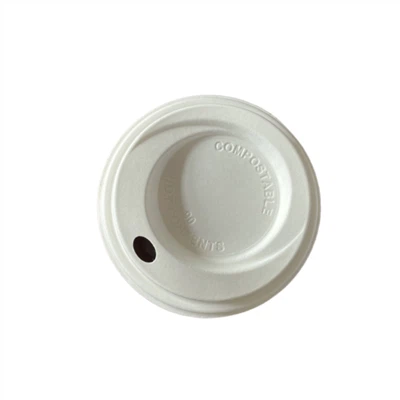
What Is Lid


Cup lids were designed to help consumers drink coffee on the go – specifically during their daily commute. Traditional cup lids prevented spilling while consumers were on the move. It was a simple disk made from plastic or Bagasse that snapped onto the rim of a coffee cup.


Why choose us
 
01/

Continuous strong supply capacity
Zhuli Intelligent Control Co., Ltd has four fully intelligent production lines with total 20sets of intelligent production equipments, greatly saving labor costs and improving production efficiency

02/

Customers first service idea
Our service runs throughout the whole production process from the pre-sales, product design, production and after-sales.

03/

Rich Experience

Own mold making department, strong research and development team, providing technical support, troubleshooting, and maintenance services.

04/

One-stop Solution

We are factory, any problems that occur will be quickly shared with the team and solved.


First 12 Last 1/2
What Is Sugarcane Lids?


A sugarcane lid is a most fascinating contrivance indeed. It is a lid fashioned from the very fibers of the sugarcane plant, carefully crafted to cover containers and bestow upon them a protective seal. Its purpose, I assure you, is of the utmost importance, for it strives to prevent any unfortunate spillage, maintain the freshness of the contents within, and shield them from the perils of external contaminants. Such lids are commonly employed in the realm of food and beverage, particularly for those vessels destined for takeaway, such as containers, cups, and bowls.

Definition and Purpose of a Sugarcane Lid
Allow me to expound upon the definition and purpose of this remarkable sugarcane lid. It is a lid, as I have afore mentioned, ingeniously fashioned from the fibers of the sugarcane plant. Unlike its less sustainable counterparts, this lid is a paragon of eco-friendliness, an admirable alternative to the conventional plastic lids that plague our land. Its purpose is to bestow upon containers a secure closure, preventing any untoward leaks and ensuring the unblemished freshness of the contents held within. Furthermore, these sugarcane lids are champions of sustainability, aiding in the noble cause of reducing the use of non-biodegradable materials.

Materials Used to Make Sugarcane Lids
Pray, allow me to enlighten you on the materials employed in the creation of these remarkable sugarcane lids. They are primarily fashioned from a substance known as bagasse, a byproduct of the refined sugarcane. Bagasse is the fibrous residue that remains after the extraction of the precious sugarcane juice. It is a material abundant in nature, renewable in its essence, and blessed with the ability to biodegrade, thus rendering it an ideal choice for sustainable packaging solutions. In some instances, these sugarcane lids may incorporate other natural fibers or additives, bestowing upon them enhanced strength and durability in their noble quest to protect and preserve.


Advantages of Using Sugarcane Lids
 

Sugarcane lids offer numerous benefits, both from an environmental standpoint and in terms of cost savings. These lids are gaining popularity as a sustainable alternative to traditional plastic lids, and their advantages are becoming increasingly evident.
Environmental Advantages of Sugarcane Lids
One of the main benefits of using sugarcane lids is their positive impact on the environment. Unlike plastic lids, which are made from non-renewable resources and contribute to pollution and waste, sugarcane lids are made from a renewable resource - sugarcane pulp. This means that their production has a significantly lower carbon footprint and reduces the dependence on fossil fuels. Additionally, sugarcane lids are fully biodegradable and compostable, meaning they can be returned to the earth without causing harm to the environment. By using sugarcane lids, businesses and individuals can contribute to a more sustainable future and reduce their ecological footprint.
Moreover, the process of extracting sugarcane pulp for the production of these lids involves minimal energy consumption, making it an environmentally friendly choice. The cultivation of sugarcane also helps in carbon sequestration, as the crop absorbs carbon dioxide from the atmosphere during its growth. This further contributes to the reduction of greenhouse gas emissions and mitigates climate change.
Cost-Saving Benefits of Sugarcane Lids
In addition to their environmental advantages, sugarcane lids also offer cost-saving benefits. While the initial cost of sugarcane lids may be slightly higher than traditional plastic lids, the long-term savings outweigh this initial investment. Sugarcane lids are known for their durability and strength, which means they are less likely to break or crack during use. This reduces the need for frequent replacements and lowers overall costs. Furthermore, sugarcane lids can be produced locally in many regions, reducing transportation costs and supporting local economies. With their cost-saving benefits, sugarcane lids not only contribute to a greener planet but also provide economic advantages for businesses and consumers alike.


Comparison Between Sugarcane Lids and Other Types of Lids
425ml汤杯盖
80mm直径杯盖
90mm直径杯盖
16盎司汤碗盖

When comparing sugarcane lids to other types of lids, there are several key differences that make sugarcane lids a more sustainable and environmentally-friendly option. Firstly, sugarcane lids are made from a renewable resource, whereas many other lids are derived from fossil fuels. This means that sugarcane lids have a lower carbon footprint and contribute less to greenhouse gas emissions. Additionally, sugarcane lids are biodegradable and compostable, while some other lids can take hundreds of years to break down in landfills.

Furthermore, sugarcane lids are free from harmful chemicals such as BPA, phthalates, and PVC, which can leach into food and beverages when using certain types of lids. On the other hand, some other lids may contain these harmful chemicals, posing health risks to consumers. It is crucial to prioritize the safety and well-being of individuals when considering lid options.

While sugarcane lids offer numerous benefits, it is important to acknowledge that there are alternative options available. For instance, plastic lids are often cheaper to produce and more widely available in the market. However, it is essential to consider the long-term environmental impact and health risks associated with plastic lids. Despite their initial cost advantage, the detrimental effects of plastic lids on the environment and human health outweigh these advantages.


Why Choose Bagasse Lids?


Bagasse lid is biodegradable and compostable. They are natural paper molded products that can be biodegraded within 90 days. When bagasse lid degrades, it provides natural ingredients to nature, since they are made of natural, organic and renewable materials. The best reason to use a bagasse cup lid is to save trees because bagasse can produce the same amount of pulp in a smaller amount. The Bagasse coffee cup lid is heat resistant and can even be placed in a microwave oven or freezer. Like paper, extremely hot food may make sugarcane lose some strength, but it is one of the best compostable foodservice materials that can withstand high temperatures.

Unique wet-pressing
Our eco friendly molded pulp cup lid is processed by the unique wet-pressing. It uses bagasse and bamboo plant fibers as raw materials, biodegradable and compostable. They will be degradated naturally, instead of polluting the earth like plastic cup lids.

Negative-angle buckle integral molding process
The negative-angle buckle integral molding process created initially by Zhiben makes the buckling-up and the fitting between the lid and the wholesale bagasse cups perfect. Users feel good while using it.

Beautiful appearance
Our cup lid boasts of the quality of the beautiful appearance, strong tenacity, anti-vibration and anti-static. It has become the designated product for many chain cafes and restaurants. Either 8 oz cup lids or 9 oz cup lids are available. The market has a big demand on it.

Intelligent production management
We adopt intelligent production management & intelligent management of energy consumption to eliminate waste in each production procedure.


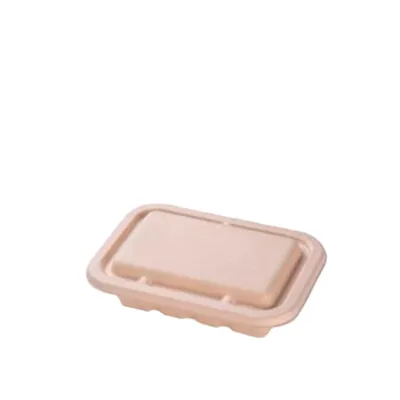
Bagasse Plates and Trays With PET Lids
 

Discover our plates and trays made of sugarcane bagasse with PET lids, in different formats:

  • Round bagasse plate (229 mm) + PET lid
  • Square bagasse plate (158, 200 or 262 mm) + PET lid
  • Bagasse tray (215 or 222 mm) + PET lid

Discover our selection of bagasse plates and trays with associated PET lid. We use biodegradable materials (sugar cane bagasse) and recyclable materials (PET), for an eco-responsible consumption. To meet your needs, we offer various formats and dimensions for your plates and trays with their lids, but we can also meet your custom requests.
Bagasse is a 100% natural material. Following the extraction of sugar cane juice by grinding, the fibrous residues composed of cellulose are recovered to produce food packaging. The result is containers that are suitable for food contact, biodegradable and compostable. The sugar cane bagasse we use is 100% natural, without pesticides or toxic substances.
For the lids, PET (Polyethylene Terephthalate) is used. It is a recyclable transparent plastic, shock resistant and waterproof.
With these bagasse trays, the perfect presentation of your dishes during events or receptions will be assured. In addition to keeping food warm, the transparent lid allows you to visualize the culinary preparations and to bring an aesthetic aspect. Our bagasse plates and trays are compatible with hot and/or cold foods. The sugar cane bagasse containers can be microwaved, but without their PET lids.
We can also offer you bagasse plates and trays without lids.


Changing the Packaging Industry with Bagasse Lid Custom
90mm直径杯盖
productcate-1-1
80mm直径杯盖
productcate-1-1

In recent years, there has been a growing awareness and emphasis on sustainable and eco-friendly packaging solutions. As a result, the demand for bagasse lid custom molding machines and pulp making machines has been on the rise. These innovative machines are revolutionizing the packaging industry by offering environmentally friendly alternatives to traditional plastic and Styrofoam packaging.

Bagasse, a by-product of sugarcane processing, is being increasingly utilized as a sustainable alternative for packaging materials. With the advancements in technology, bagasse lid custom molding machines are now capable of producing high-quality lids and containers that are not only biodegradable but also compostable. These machines can mold bagasse into various shapes and sizes, making them suitable for a wide range of packaging applications.

Pulp making machines play a crucial role in the production of sustainable packaging materials. These machines are capable of processing a variety of raw materials, including agricultural residues, recycled paper, and cardboard, to produce pulp that can be molded into packaging products. By utilizing these machines, manufacturers can reduce their reliance on virgin materials and contribute to the reduction of waste and pollution.

The combination of bagasse lid custom molding machines and pulp making machines has opened up new possibilities for eco-friendly packaging solutions. These machines enable manufacturers to produce a wide range of packaging products, including food containers, plates, bowls, and trays, that are not only sustainable but also meet the performance and quality standards required by the industry. As a result, companies are able to meet the increasing demand for sustainable packaging solutions without compromising on functionality or aesthetics.

In addition to the environmental benefits, the use of bagasse lid custom molding machines and pulp making machines also offers economic advantages for manufacturers. With the increasing demand for sustainable packaging, companies that invest in these machines can gain a competitive edge in the market. By offering environmentally friendly products, manufacturers can attract environmentally conscious consumers and businesses, thereby expanding their market reach and boosting their bottom line.

Furthermore, by utilizing waste materials such as bagasse and recycled paper, manufacturers can reduce their raw material costs and minimize their environmental impact. This not only makes their production processes more sustainable but also enables them to offer cost-effective packaging solutions to their customers. As a result, the use of bagasse lid custom molding machines and pulp making machines benefits both the environment and the bottom line of manufacturers.

In conclusion, the combination of bagasse lid custom molding machines and pulp making machines is revolutionizing the packaging industry by offering sustainable, eco-friendly, and cost-effective packaging solutions. By utilizing these innovative machines, manufacturers can meet the increasing demand for sustainable packaging products while reducing their environmental impact and gaining a competitive edge in the market. As the industry continues to prioritize sustainability, the use of bagasse lid custom molding machines and pulp making machines is expected to become increasingly prevalent, paving the way for a more sustainable and eco-friendly future for the packaging industry.


Important Features and Benefits of Bagasse Material
 

Is on the cusp of economic uncertainty, and businesses, retail, the food industry, and many more are following the steps to become more eco-friendly. While other industries find different ways to become more sustainable, the food industry is developing new ways to join the revolution. For example, to cut down the use of plastic in the food and hospitality industry, bagasse containers are fa
Bagasse is made from sugarcane, a raw material widely available in many countries worldwide. As an emerging biodegradable packaging, bagasse has managed to hold the attention of many businesses, and the packaging also passes the standards of various food safety authorities. Moreover, since it is a fibrous left-over from the production of sugarcane, bagasse is helping people handle two problems – providing eco-friendly food packaging and reducing the waste of products that would otherwise be burnt and pollute the environment.

Features of Bagasse Material
As a raw by-product of sugarcane, bagasse packaging material has several vital features that are not found in other packaging materials:
Renewable
The sugarcane by-product used to make biodegradable food containers has a low amount of impact on the environment. Since there is no supply shortage of sugarcane, these packages can be made after every harvest. The sourcing of the bagasse material also has minimal impact on the environment, making it a perfect alternative for plastic and paper containers for food.
Compostable
It takes up to 400 years for plastic to degrade; styrofoam never degrades, which is why bagasse is replacing these two materials in the food and hospitality industry. Not only does bagasse has a minimal impact during packaging production, but it also requires only three months for bagasse to degrade. Furthermore, even degrading, it does not impact the quality of the soil like plastic or styrofoam would.
Availability
While paper containers might be easily available, there is still a gap between demand and supply. It is not the same with bagasse containers, as the raw material to produce these eco-friendly disposable food containers is widely available in any part of the world.

Benefits of Using Bagasse Material as the Ideal Choice for Eco-Friendly Packaging India
With the increasing concern about the eco-friendliness of the products used in the food and hospitality industry, businesses and customers are shifting to more viable options. Bagasse materials in food packaging are one such product that has several benefits.
Thermal Resistant
The best thing about bagasse containers is that it is thermal resistant up to 95°C, and people can put it in the microwave to heat their food. Unlike plastic or paper containers, they would not melt or burn down.
Durable
Since the bagasse material has a fibrous texture, it is highly durable and remains strong in the long run. It is also water and grease-resistant, making it a perfect material for food and beverage packaging. It also does not have any chemicals in it, making it safe to use for food transportation.
Eco-friendly Alternative
It degrades easily, does not impact the soil negatively since bagasse has no chemicals, and does not degrade your food quality too. In addition, it reduces landfill waste, and people can compost it right in their backyards.
In India, CaneCart is dedicated to providing top-notch bagasse packaging to food and hospitality businesses, with an aim to cut down plastic usage in a four trillion rupees industry.


Our Factory


At present, Zhuli Intelligent Control Co.Ltd has four highly intelligent production lines with total 20 sets of intelligent production equipments, the annual production capacity of 10000 tons can be achieved. It includes forming machines, rail robot, cutting machine, inspection and packaging machine, AGV intelligent handling car, etc. There is no direct contact with the human body during the production process to ensure the products safer and healthier.


FAQ


Q: Are bagasse products safe?

A: Natural, safe, and extremely renewable, bagasse is made from a plant fiber waste product left from the processing of sugarcane, sorghum, or agave. This makes it one of the most eco-friendly materials on the planet.

Q: Why is bagasse better than plastic?

A: Plastic waste is a major contributor to landfill and ocean pollution. It does not biodegrade, and single-use plastic products often end up in the environment, where they can harm wildlife, marine life and ecosystems. Bagasse, on the other hand, is biodegradable and does not contribute to landfill or ocean pollution.

Q: Is bagasse eco-friendly?

A: Is Bagasse Compostable? Being both Biodegradeable and Compostable, it's seen as the most environmentally friendly material currently used in the foodservice industry. Offering a great alternative to products like Polystyrene Containers.

Q: Is bagasse food grade?

A: 100% Food Grade and Non-Toxic.

Q: How do you dispose of bagasse?

A: Since the products are made from sugar cane, they can be disposed of in the organic waste bin in a sustainable and environmentally friendly manner. If you have a garden, you can also compost the products yourself. Within 8 weeks, the bagasse tableware produces humus, which you can use as a basis for new plants.

Q: How much does bagasse cost?

A: Please note that overflow bagasse are sold in different prices: bagasse, in pressed square of 60*60*60cm, is 40.49USD/ton, and in the bulk form it is 16.20 to 19.44USD/ton. For pellet making, the bulk bagasse are good enough for us.

Q: How long does bagasse take to decompose?

A: 60-90 days
Bagasse is 100% compostable and it biodegrades in 60-90 days. Through the use of this product, you are contributing to a sustainable planet. Bagasse is a tree-free readily renewable resource and provides a superior alternative to petroleum derived products.

Q: Can bagasse replace plastic?

A: Overall, biodegradable plates made from Bagasse pulp are a promising alternative to traditional plastic plates. They are environmentally friendly, safe for human health, and cost-effective to produce.

Q: What is the shelf life of bagasse?

A: Bagasse products made from non-wood fibers, have no maximum shelf life. Our PLA products should be stored in a cool dry area to achieve maximum life expectancy 2 + years.

Q: Can you bake with bagasse container?

A: Bagasse products can tolerate heat upto 200 F. So, they are oven safe ONLY up to 200 F. We do not recommend that Bagasse/sugarcane products are to be used in ovens with extremely hot temperature.

Q: What are the advantages and disadvantages of bagasse plates?

A: Bagasse plates are compostable
Bagasse plates are the best compostable plates. Plastic plate material is Styrofoam. The main drawback of styrofoam is that it is really difficult to degrades. Plastic plates will take up to 400 years to degrade, it is bad for environmental sustainability.

Q: Why is bagasse better than plastic?

A: Plastic waste is a major contributor to landfill and ocean pollution. It does not biodegrade, and single-use plastic products often end up in the environment, where they can harm wildlife, marine life and ecosystems. Bagasse, on the other hand, is biodegradable and does not contribute to landfill or ocean pollution.

Q: How do you dispose of bagasse plates?

A: Since the products are made from sugar cane, they can be disposed of in the organic waste bin in a sustainable and environmentally friendly manner. If you have a garden, you can also compost the products yourself. Within 8 weeks, the bagasse tableware produces humus, which you can use as a basis for new plants.

Q: Where can we find bagasse?

A: Bagasse is the pulpy material that is left after the sugarcane has been processed and squeezed out of its juice. You can probably see these in markets where local vendors sell fresh sugarcane juice.

Q: Are bagasse plates recyclable?

A: Bagasse plates are the ultimate fast food packaging option for those looking for high quality, recyclable, biodegradable and microwave-friendly materials to provide the best takeaway service.

Q: Is bagasse bad for the environment?

A: Large scale sugarcane bagasse storage in uncovered stockpiles has the potential to result in adverse impacts on the environment and surrounding communities through hazards associated with nuisance dust, groundwater seepage, spontaneous combustion and generation of contaminated leachates.

Q: Is bagasse flammable?

A: Bagasse, the fibrous matter that remains after the extraction process from sugarcane, is still a valuable resource to the Sugar Milling Industry, since it may be used to generate electricity or as a building material. However, it is vulnerable to spontaneous combustion during storage.

Q: What is the best use of bagasse?

A: Bagasse is suitable for both hot and cold products, making it very useful for food packaging and tableware. Additionally, it can be put in the freezer and the microwave. It's water-resistant and suitable for greasy foods and hot applications (up to 120℃).

Q: Is bagasse waterproof?

A: The fibrous nature of bagasse creates a network structure that helps to prevent water from easily seeping through. However, it is important to note that while sugarcane bagasse products exhibit water resistance, they are not completely waterproof.

Q: Is bagasse a bamboo?

A: Bagasse mulch is a byproduct of sugarcane plant stalks after harvest. Like Bagasse, bamboo mulch is formed after juice has been removed from the sugarcane or bamboo stalk, and is a product that would traditionally be thrown out and regarded as waste.

As one of the leading lids manufacturers and suppliers in China, we warmly welcome you to wholesale discount lids in stock here from our factory. All customized products are with high quality and low price.

chuk sugarcane plates, Bagasse Compartment Tray, Bagasse Tray