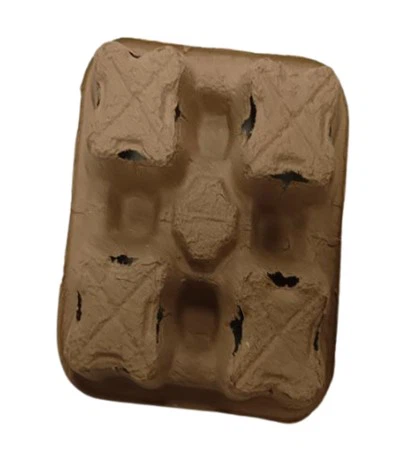
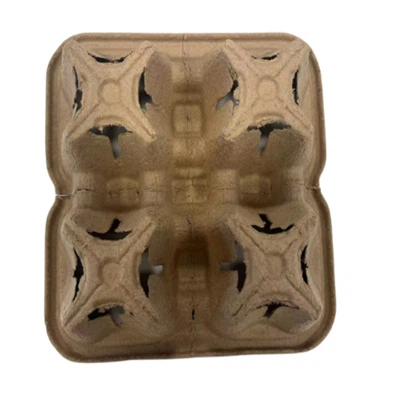
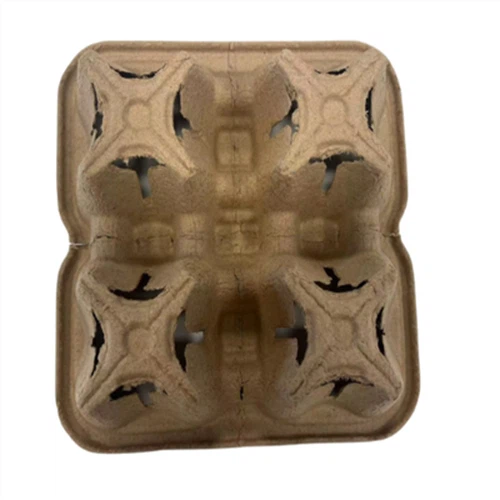
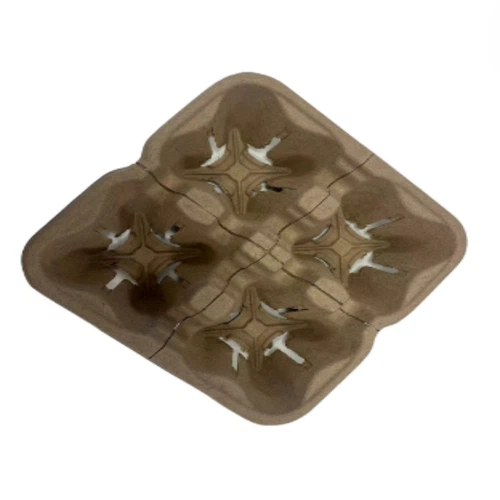
What Is Bagasse Cup Carrier


Bagasse cup holder allow you to enjoy your favorite beverages anytime, anywhere. Made from strong and sustainable bagasse material, our cup holders are an eco-friendly alternative to fragile, unsustainable plastic cup holders.Bagasse cup holder are the perfect way to reduce your carbon footprint and demonstrate your commitment to sustainability. Plus, it's completely disposable, making cleanup a breeze. Not only are our cup holders eco-friendly, they're also extremely sturdy. Our durable design means you don't have to worry about your cup slipping or spilling.


Why choose us
 
01/

Continuous strong supply capacity
Zhuli Intelligent Control Co., Ltd has four fully intelligent production lines with total 20sets of intelligent production equipments, greatly saving labor costs and improving production efficiency

02/

Customers first service idea
Our service runs throughout the whole production process from the pre-sales, product design, production and after-sales.

03/

Rich Experience

Own mold making department, strong research and development team, providing technical support, troubleshooting, and maintenance services.

04/

One-stop Solution

We are factory, any problems that occur will be quickly shared with the team and solved.


Advantages of Bagasse Cup Carrier


Bagasse cup carriers offer several advantages over traditional materials like plastic or paper, particularly in terms of environmental impact, durability, and sustainability:

Eco-Friendly and Sustainable: Bagasse is a byproduct of sugarcane production. Utilizing this waste material to make cup carriers reduces the need for virgin resources and minimizes waste.

Biodegradable: Unlike plastics, which can take hundreds of years to decompose, bagasse products are biodegradable. They break down naturally in the environment, reducing landfill waste and the potential for pollution.

Renewable Resource: Sugarcane is an annually renewable crop, ensuring a consistent supply of raw material for producing bagasse cup carriers.

Sturdy and Durable: Despite being lightweight, bagasse cup carriers possess surprising strength and rigidity, which helps protect the cups within from spillage and damage during transport.

Heat Resistant: Bagasse has good thermal insulation properties, which means it can handle hot beverages without breaking down or melting like some paper products might.

Non-Toxic: Bagasse is free from harmful chemicals and toxins, making it safe for direct contact with food and beverages.

Recyclable: If not composted, bagasse can be recycled into new products, further extending its lifecycle and contributing to resource efficiency.

Aesthetic Appeal: Bagasse cup carriers can be manufactured in various designs and colors, giving them an appealing look that can enhance brand image and marketing efforts.


Bagasse Turns Waste Into Treasure Into Paper Cup Holders
 

The disadvantages of disposable plastic cup holders are not degradable and environmentally friendly, and people have criticized them. Environmental protection materials that can replace plastic to make disposable cup holders are also constantly being explored.
At present, disposable environmentally friendly paper cup holders are the first choice to replace disposable plastic cup holders in terms of environmental protection.
The disposable environmentally friendly paper cup holder made of non-toxic, harmless, clean, and non-polluting materials that comply with national food-grade hygiene and safety standards and environmental protection regulations and no added standard raw materials are not only safer and healthier to use, but also degradable and more environmentally friendly.
The main raw material of the disposable paper cup holder is pulp, and the pulp is mainly obtained from wood.
However, with the increasing consumption of wood and the increasing cost of wood pulp, a strange phenomenon has emerged - disposable environmentally friendly paper cup holders on the market are not widely used.

Sugar cane is sweet from beginning to end
So is there a material that also plants fiber?
Instead of wood pulp?
Sugar cane pulp!
Sugarcane pulp is also a kind of paper pulp. It is made of sugar cane bagasse as raw material and is prepared into a certain concentration of pulp through hydro pumping, high-temperature disinfection, and other processes.
This sugarcane pulp is a naturally degradable, compostable plant fiber material!
Sugarcane bagasse is made into sugarcane pulp, which can save a lot of wood, and meets the requirements of the world's circular economy and environmental protection policies, making sugarcane sweet from beginning to end!

Sugarcane pulp as a cup holder
Sugarcane pulp is cheaper than wood pulp, which can make up for the short board in the cost of wood pulp, but there are still many problems to be solved to make sugarcane pulp into cup holders. For example, are the finished cup holders really degradable? Does the microwave work? Is it waterproof and oilproof?
These seem to be many and small, but they are problems that producers cannot ignore, and are directly related to whether their sugarcane pulp cup holders can be recognized by the market.
Strength + appearance = Sugar cane pulp cup holder
Sugar cane pulp tableware uses sugar cane bagasse as raw material, instead of traditional petroleum-derived plastic or foam.
90-100 days under natural conditions.
Our disposable cup holders are fully degradable to carbon dioxide and water within 90-100 days under natural conditions, are also suitable for landfill, and are compostable and degradable.
The bottom of the cup holder can be degraded in only 1 month, which is worthy of being recognized as a 100% environmentally friendly degradable cup holder in the world!


Advantages of Utilizing Sugarcane Food Containers
甘蔗渣咖啡杯架
甘蔗渣奶茶杯架
甘蔗渣咖啡杯架
甘蔗渣奶茶杯架

In the realm of packaging, sugarcane food containers possess a multitude of benefits that render them a most commendable choice. Primarily, their biodegradability and environmental friendliness set them apart. Unlike their conventional plastic counterparts, sugarcane containers gracefully decompose over time, thereby lessening their impact on landfills and the delicate ecosystem. Moreover, sugarcane stands as a renewable and sustainable resource. Its rapid growth allows for multiple harvests throughout the year, endowing it with an abundance and reliability that makes it an ideal source for food packaging. Furthermore, these containers, crafted from natural fibers, are entirely safe for housing sustenance. Devoid of any pernicious chemicals that may seep into the food, they present a healthier option for both consumers and the environment. Lastly, the insulation properties of sugarcane containers are truly remarkable, particularly when it comes to preserving the temperature of hot and cold victuals. By maintaining the desired heat or chill, they ensure a superior dining experience for all who partake.

Different Types of Sugarcane Food Containers Available
Oh, how delightful it is to discuss the various types of sugarcane food containers that have gained such popularity in our modern times! These sustainable alternatives to the traditional plastic and Styrofoam containers are truly a marvel. Made from bagasse, a byproduct of sugarcane processing, these containers possess the rare qualities of being both renewable and biodegradable.
Allow me to expound upon the different types of these eco-friendly containers that cater to a wide range of food service needs:

Plates and Bowls
Among the most sturdy and versatile of sugarcane food containers are the plates and bowls. They are perfectly suitable for serving a variety of hot and cold foods, ensuring that one's culinary desires are met with utmost satisfaction. What's more, these remarkable containers are microwave-safe and can withstand high temperatures, making them an ideal choice for both domestic and commercial use. The fact that they are compostable and biodegradable further adds to their appeal, as they offer a guilt-free alternative to the conventional plastic or paper plates. Whether it be a grand picnic, a joyous gathering, or a simple everyday meal, these sugarcane plates and bowls are the epitome of practicality and sustainability.

Takeout Containers
Now, let us turn our attention to the ingenious design of sugarcane takeout containers. These remarkable creations are specifically crafted to securely hold a wide range of delectable food items, ensuring that the flavors and freshness are preserved during transportation. From delightful sandwiches to vibrant salads and even piping hot entrees, these containers are a testament to their versatility. To further enhance their functionality, they often come with a lid, providing an extra layer of protection. Leak-resistant, stackable, and microwave-safe, these sugarcane takeout containers have become the preferred choice for esteemed restaurants, charming food trucks, and various food delivery services. Truly, they are a marvel of convenience and sustainability.

Cups and Lids
Oh, the joy of sipping a hot cup of coffee or a refreshing cold beverage from a sugarcane cup! These cups, my dear readers, are a sustainable option for serving a wide array of beverages. Sturdy and insulated, they possess the remarkable ability to withstand high temperatures, making them the perfect vessel for a steaming cup of tea or any other hot drink that one desires. Furthermore, they are often accompanied by matching lids, ensuring that spills are prevented and convenience is provided to those who are always on the go. And do not fret, for these sugarcane cups are compostable, allowing them to be disposed of in commercial composting facilities. Truly, they are a testament to both elegance and sustainability.

Food Trays
Lastly, let us not forget the versatile sugarcane food trays that have become a staple in cafeterias, fast-food chains, and various food service establishments. These trays, my dear readers, are designed to hold a variety of delectable food items, ranging from succulent burgers to crispy fries and other delightful snacks. Durable and grease-resistant, they are the epitome of practicality. Moreover, their ability to be easily stacked ensures efficient storage, a quality that is highly valued in any food service establishment. By opting for these sugarcane food trays, one not only reduces their environmental impact but also embraces a more sustainable approach to food service. They are truly a marvel of ingenuity and eco-consciousness.


Benefits of Sugarcane Bagasse Products for Sustainable Future


Types of Sugarcane Pulp Products


Several types of bagasse pulp products are widely used in the food sector. Some of them are as follows;
Bagasse Clamshell
Bagasse clamshells are packaging products useful for food delivery and takeaway purposes. They can be used for salads, fresh fruits, meals, and fast food. The bagasse clamshells come in various sizes and holding capacities.
Bagasse Cups
Bagasse cups are highly resistant products that carry hot beverages without burning hands. They are available in small, medium, and large sizes with lids. They are useful for travelling and serving drinks.
Bagasse Plates/Trays
Bagasse plates and trays are helpful for serving meals at restaurants and cafes for dine-in purposes. These products can be used for outdoor parties, events, and get-togethers. They are also available in different shapes and sizes.
Bagasse Bowls
These eco-friendly sugar cane bowls and food containers are available in deep square, round, and oval shapes. These products can hold hot food and oily meals for a more extended period without spilling or leaking.

Bagasse products vs. Conventional plastic products
 

Bagasse and plastic packaging products are poles apart except their application. The total valuation of bagasse food packaging is expected to spike by US 5.2 Billion in 2023.
Here is why bagasse dinnerware is better than plastic and styrofoam packaging products;

Bagasse Tableware

Plastic Products

Bagasse products are 100% wastage free.

Plastic dinnerware causes plastic pollution. Bagasse dine ware products are biodegradable and protect the environment. Some plastic products are recycled, but mostly end up in landfills or oceans. Sugarcane pulp products can hold hot products up to 100°C without leaking. Plastic packaging products can not hold food without spilling. Sugar cane products are resistant to hot oil and grease. Plastic and styrofoam products release toxins when hot meals are poured on them. Bagasse is renewable and safe to use. Plastic food packaging uses non-renewable sources, e.g., fossil fuel energy. How much will using bagasse packaging instead of plastic and paper reduce my carbon footprint? A 10-inch bagasse plate which weighs 22g has a carbon footprint of roughly 164g. This makes it a far greener option than a 9-inch polystyrene plate which weighs 10.8g and has a carbon footprint of nearly 6kg! However, at just 3.8g, a paper plate has by far the lightest carbon footprint. On the face of it, paper may seem like the greenest option; however, this doesn't account for the many other damaging impacts that the paper industry has on the environment. MaterialCO2 per PlateEquivalent in Miles DrivenPolystyrene6KG18 MilesBagasse164g0.5 MilesPaper3.8G*~0

productcate-1-1

Are paper plates Environmentally Friendly?


甘蔗渣奶茶杯架

The paper industry is the 5th largest consumer of energy in the world and the production of a single A4 sheet requires 10 liters of water. Around 40% of the global industrial wood harvest is used to make paper, and when these trees are cut down, carbon dioxide is released into the air. This then acts as a greenhouse gas which accelerates global warming. If current deforestation rates continue, all the rainforests left on Earth will be destroyed within 100 years. Though paper degrades within a far shorter period of time than plastic, its decomposition emits methane, which absorbs heat extremely effectively and is 23 times more damaging to the environment than carbon dioxide.

Unlike plastic and paper, bagasse rapidly degrades and composts without releasing any harmful chemicals into its surrounding environment. What's more, sugarcane acts as a carbon sink and expanding sugarcane production could help to cut carbon dioxide emissions by up to 5.2%. The production of bagasse itself may even reduce our carbon footprint; for every kilo of bagasse produced, 1.794kg of carbon dioxide is sequestered by sugarcane.

Today in sustainability: Bagasse products and packaging
 

"Today in Sustainability” is a series that discusses trends in the sustainability sphere - tackling a variety of topics and issues from different industries like F&B, architecture, business, design, fashion, and more.
Takeout containers look different from how they used to in the early 2000s. Instead of styrofoam, plastic, or plastic-lined box containers, some restaurants, businesses, and brands have shifted their takeout packaging to bagasse-based products.
Bagasse or bagasse pulp is a sugarcane byproduct that is left behind after the sugarcane's juices are extracted. Instead of being discarded, the fiber can be used for other purposes, like creating earth-friendly packaging, among others.

productcate-1-1

Bagasse as food packaging


productcate-1-1

The process of making bagasse containers starts with the extraction of the pulp. After the sugarcane juice has been squeezed out for the production of sugar, the fibers left behind serve as the raw material.
After the sugarcane juice is extracted from the stalks, the dry pulp is mixed with binders like water in order to achieve a paste-like consistency. The wet pulp is then molded into different sorts of products using a hydraulic press. The mold heats up the bagasse in order to wring excess liquid and dry the material into the desired shape.
After molding and drying, the bagasse is cut down into the desired shape and passed on to quality control to check if it's up to standard. Bagasse can be molded into products like food containers, plates, bowls, and paper.

Benefits of Bagasse


For F&B brands and MSMEs, there are many benefits to using bagasse-based packaging. Aside from being compostable and biodegradable, bagasse is a renewable resource. Since sugarcane can regrow completely in 8 to 10 months, it's considered rapidly renewable.
Bagasse food packaging is also compostable, biodegradable, heat-proof, and microwave-safe. It can effectively store liquids such as soups and dressings as well.

An important thing to remember in buying bagasse packaging is making sure that it's free from toxic chemicals like PFAS (per- and polyfluoroalkyl substances). Some bagasse products require PFAS during production to create a durable product, but PFAS is toxic to humans and is a non-decaying, non-degrading chemical that may contaminate soil and water, which is bad for the environment.
For environmentally conscious businesses and consumers, bagasse is a solid alternative to plastics and plastic-lined, paper-based food containers. It's renewable, compostable, sturdy, and better for the environment.


Our Factory


At present, Zhuli Intelligent Control Co.Ltd has four highly intelligent production lines with total 20 sets of intelligent production equipments, the annual production capacity of 10000 tons can be achieved. It includes forming machines, rail robot, cutting machine, inspection and packaging machine, AGV intelligent handling car, etc. There is no direct contact with the human body during the production process to ensure the products safer and healthier.


FAQ


Q: Are bagasse plates safe?

A: Are sugarcane bagasse products sturdy? Yes, sugarcane products are much sturdier than disposable paper or plastic products. They're also leakproof and great for oily or greasy foods. While plastic and foam products are flimsy and can release toxic chemicals, sugarcane products are 100% food safe.

Q: Are bagasse plates sturdy?

A: In addition to being lightweight, bagasse plates are known for their natural sturdiness and durability. They can withstand hot and cold temperatures without warping or losing their shape.

Q: What is bagasse used for?

A: Bagasse is commonly used as a fuel in cogeneration to produce steam and generate electricity. In this process, sugar cane bagasse ash (SCBA) remains as the final waste in the sugar production chain.

Q: Can you microwave bagasse plates?

A: Bagasse looks, feels, and works good
So, you can put this stuff in the freezer, microwave or oven if you like. Bagasse is not only gluten free but also water repellent and grease-proof, so you can use it for whatever hot or cold, oily or saucy dishes you like.

Q: What is the most durable plates?

A: 10 Best Dinnerware Sets of 2024, Tested & Reviewed
Bone china is lightweight and thin, but it is considered the most durable ceramic dinnerware. It is also the most expensive material.

Q: How much does bagasse cost?

A: Please note that overflow bagasse are sold in different prices: bagasse, in pressed square of 60*60*60cm, is 40.49USD/ton, and in the bulk form it is 16.20 to 19.44USD/ton. For pellet making, the bulk bagasse are good enough for us.

Q: How long does bagasse take to decompose?

A: 60-90 days
Bagasse is 100% compostable and it biodegrades in 60-90 days. Through the use of this product, you are contributing to a sustainable planet. Bagasse is a tree-free readily renewable resource and provides a superior alternative to petroleum derived products.

Q: Can bagasse replace plastic?

A: Overall, biodegradable plates made from Bagasse pulp are a promising alternative to traditional plastic plates. They are environmentally friendly, safe for human health, and cost-effective to produce.

Q: What is the shelf life of bagasse?

A: Bagasse products made from non-wood fibers, have no maximum shelf life. Our PLA products should be stored in a cool dry area to achieve maximum life expectancy 2 + years.

Q: Can you bake with bagasse container?

A: Bagasse products can tolerate heat upto 200 F. So, they are oven safe ONLY up to 200 F. We do not recommend that Bagasse/sugarcane products are to be used in ovens with extremely hot temperature.

Q: What are the advantages and disadvantages of bagasse plates?

A: Bagasse plates are compostable
Bagasse plates are the best compostable plates. Plastic plate material is Styrofoam. The main drawback of styrofoam is that it is really difficult to degrades. Plastic plates will take up to 400 years to degrade, it is bad for environmental sustainability.

Q: Why is bagasse better than plastic?

A: Plastic waste is a major contributor to landfill and ocean pollution. It does not biodegrade, and single-use plastic products often end up in the environment, where they can harm wildlife, marine life and ecosystems. Bagasse, on the other hand, is biodegradable and does not contribute to landfill or ocean pollution.

Q: How do you dispose of bagasse plates?

A: Since the products are made from sugar cane, they can be disposed of in the organic waste bin in a sustainable and environmentally friendly manner. If you have a garden, you can also compost the products yourself. Within 8 weeks, the bagasse tableware produces humus, which you can use as a basis for new plants.

Q: Where can we find bagasse?

A: Bagasse is the pulpy material that is left after the sugarcane has been processed and squeezed out of its juice. You can probably see these in markets where local vendors sell fresh sugarcane juice.

Q: Are bagasse plates recyclable?

A: Bagasse plates are the ultimate fast food packaging option for those looking for high quality, recyclable, biodegradable and microwave-friendly materials to provide the best takeaway service.

Q: Is bagasse bad for the environment?

A: Large scale sugarcane bagasse storage in uncovered stockpiles has the potential to result in adverse impacts on the environment and surrounding communities through hazards associated with nuisance dust, groundwater seepage, spontaneous combustion and generation of contaminated leachates.

Q: Is bagasse flammable?

A: Bagasse, the fibrous matter that remains after the extraction process from sugarcane, is still a valuable resource to the Sugar Milling Industry, since it may be used to generate electricity or as a building material. However, it is vulnerable to spontaneous combustion during storage.

Q: What is the best use of bagasse?

A: Bagasse is suitable for both hot and cold products, making it very useful for food packaging and tableware. Additionally, it can be put in the freezer and the microwave. It's water-resistant and suitable for greasy foods and hot applications (up to 120℃).

Q: Is bagasse waterproof?

A: The fibrous nature of bagasse creates a network structure that helps to prevent water from easily seeping through. However, it is important to note that while sugarcane bagasse products exhibit water resistance, they are not completely waterproof.

Q: Is bagasse a bamboo?

A: Bagasse mulch is a byproduct of sugarcane plant stalks after harvest. Like Bagasse, bamboo mulch is formed after juice has been removed from the sugarcane or bamboo stalk, and is a product that would traditionally be thrown out and regarded as waste.

As one of the leading bagasse cup carrier manufacturers and suppliers in China, we warmly welcome you to wholesale discount bagasse cup carrier in stock here from our factory. All customized products are with high quality and low price.

sugarcane bagasse disposable tableware, White Bagasse Round Plate, compostable Eco bagasse dishes