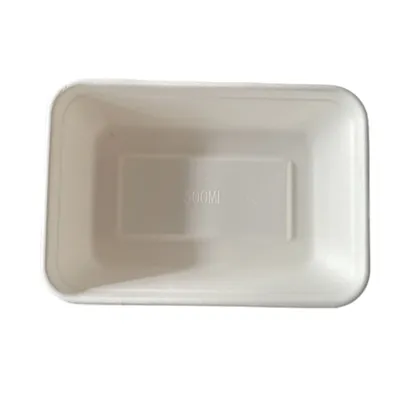
What Is Bagasse Bowl


Compostable bagasse bowls are perfect for serving salads, pasta, or fruit, and they add a touch of eco-friendly elegance to your outdoor dining experience. They are compostable, super sturdy, and absolutely timber or plastic-free, making them a great alternative to single-use plastic products.


Why choose us
 
01/

Continuous strong supply capacity

Zhuli Intelligent Control Co., Ltd has four fully intelligent production lines with total 20sets of intelligent production equipments, greatly saving labor costs and improving production efficiency

02/

Customers first service idea
Our service runs throughout the whole production process from the pre-sales, product design, production and after-sales.

03/

Rich Experience

Own mold making department, strong research and development team, providing technical support, troubleshooting, and maintenance services.

04/

One-stop Solution

We are factory, any problems that occur will be quickly shared with the team and solved.


First 12 Last 1/2
Advantages of Bagasse Bowl


Strong and Durable: Because of the inherent strength of sugarcane fiber, these heavy-duty bagasse bowls are more robust and long-lasting.
High-Quality Material: Moreover, as opposed to other conventional glass or ceramic bowls, these biodegradable bowls are produced from natural sugarcane bagasse fiber and have robust construction, making them reliable and lasting.
Variety Of Use: Ideal for a variety of uses, including restaurants, food trucks, take-out orders, parties, and other sorts of food service. It can also be used to feed your dog or cat as well as contain items like chili soup, cereal, ice cream, and salad.
Safety to Use: Indeed, our bulk compostable paper bowls have no wax lining, are plastic-free, gluten-free, and composed of food-grade ingredients. BPA, which can be found in plastic dishes, is not present. There is no strong fragrance when you open the packaging, making it extremely safe and nutritious. You can use our throw-away dishes without worrying.
Environmentally Friendly: The ideal option for being convenient and environmentally friendly is a biodegradable bowl. They employ unique production processes, are tree-free, largely consume less energy, and everything in the package, including the packaging bag, is compostable. They can be composted in a commercial facility after use, and the process takes 3-6 months.


Uses of Sugarcane Bagasse Bowls
 

Sugarcane bagasse bowls are versatile and can be used in a variety of applications, including:

Food Packaging
Sugarcane bagasse bowls are ideal for food packaging, as they are lightweight, durable, and can be sealed to keep food fresh. They are commonly used for packaging fast food items, take-out meals, and deli products.

Food Service
Sugarcane bagasse bowls are also ideal for food service, as they are stylish, eco-friendly, and convenient. They can be used to serve a wide range of food items, from soups and salads to desserts and snacks.

Events and Parties
Sugarcane bagasse bowls are perfect for events and parties, as they are disposable, easy to use, and eco-friendly. They can be used to serve food and beverages at weddings, birthdays, and other celebrations.

Composting and Recycling
Sugarcane bagasse bowls can be composted or recycled after use, making them an eco-friendly option for food packaging and tableware. When composted, sugarcane bagasse bowls break down naturally in the environment, providing valuable nutrients for plants and soil. When recycled, they can be transformed into new products, reducing waste and conserving resources.


How to Making Bagasse Bowls
1 个 800ml 容器
500毫升长方形容器碗
650ml 长方形容器碗
12oz圆碗350ml-英国

How about serving some super-crunchy breakfast cereal in plant-based bliss? We get it, single-use plastics are here, so you won't get caught up in the post-meal mess. But, your convenience should never be heavy on the planet. And, our compostable bagasse bowls are here, so you can indulge guilt-free without feeling bad.
These bowls are plant-based, contain no toxins or chemicals and are certified compostable. Moreover, with no plastic or paper, these tableware products are just perfect to compliment your super bougie, eco-friendly breakfast routine without a pinch of guilt.
That being said, here's how these plant-based wonders are made.

Wait, What is Bagasse?
Before we get into the antics of bagasse bowls and their making, let's explore what exactly bagasse is. In a nutshell, bagasse is the byproduct of sugarcane waste. This usually ends in a landfill, but we upcycle the same and excavate the best out of the waste.
Bagasse is a 100% natural material that is extracted from sugarcane stalks once the juice is extracted. And, instead of dumping this agro-waste in landfills, we believe in upcycling plant waste and embracing a circular economy.

In short, our biodegradable bowls are made out of sugarcane bagasse, with absolutely zero interference from plastic and other harmful materials that could harm your food or the ecosystem. These are churned in the most harmless and poised manner possible to maintain the well-being of our surroundings and save the planet for a better tomorrow.

How are these bagasse bowls made?
Well, to start with, the manufacturing process involves multiple steps. So, to understand this in a better and deeper way, let's dive into the process of making bagasse bowls.
A step-by-step guide to the perfect tableware for every occasion: Bagasse Bowls
Extraction of Raw Material: Usually, bagasse is a byproduct of sugarcane, as mentioned earlier. At times, this usually involves machinery to get the exact form that would be required to upcycle it into bagasse products.
Extracting Juice from Stalk: The sugarcane stalks are beaten up to form the byproduct bagasse. To be exact, this is usually in juice form and then later molded to form plates and bowls.

Cleaning and Molding: This fibrous material is further cleaned and processed. During this process, the material, naturally present in bagasse, called lignin, is removed, and the fibre is further processed to get the exact texture required for further moulding into culinary accessories.
Give me the exact pulp I need. (Bagasse): Once we clean the material properly, we further form it into a pulp texture, which is usually done by adding more water and, at times, also requires a machinery process. Once this pulp is precisely achieved, the rest of the process is just a piece of cake. Kidding, it isn't actually, but yes, to achieve a proper bagasse bowl, this process is the most crucial and can't go wrong, so it requires expert supervision.
Heat Pressing and Molding: Once the desired form of pulp is generated, it is moved for further processing. The supply pulp is first cast into a shell of the desired shape. This then involves heat processing to make it more sturdy, as the excess amount of water left behind in the pulp is cleared out.
Final Touch-up: Now that you have already obtained the final product, we go for a touch-up. Well, this typically involves trimming and polishing the disposable bowls as per the desired texture.

Summing It Up
Bagasse is a better choice for the environment. This material, which usually used to end up in landfills, has now been elevated to an eco-friendly lifestyle choice. This means they are one of the best replacements for those culinary choices that were usually beautiful and the centre of attraction for your gatherings and mostly included toxic mixes that used to harm Mother Nature.


A Comprehensive Guide to Bagasse Tableware Applications


In an era where environmental sustainability is at the forefront of global concerns, the need for eco-friendly alternatives has never been more critical. One such revolutionary solution is bagasse tableware, a product of the renewable and abundant sugarcane plant.

16oz圆碗500ml-英国


Bagasse Tableware Applications

This versatile material is quickly gaining traction as a sustainable alternative to disposable tableware made from plastics or styrofoam.
Before delving into its applications, let's take a moment to appreciate the sheer ecological impact of bagasse.
Do You Know?
A study shows that approximately 1.9 billion metric tons of sugarcane are produced globally each year, resulting in millions of tons of bagasse as a byproduct. Shockingly, much of this biomass ends up in landfills, contributing to environmental degradation.
What You'll Learn
In this comprehensive guide, we will embark on a journey through the multifaceted applications of bagasse tableware. From its role in the hospitality industry to its use in large-scale events and everyday settings, we will explore how this eco-friendly alternative is making waves across the globe. So let's start.


Bagasse Tableware Applications


In the realm of sustainable alternatives, bagasse tableware stands tall as a beacon of eco-conscious innovation. Derived from sugarcane pulp, this versatile material is reshaping the way we approach disposable dining solutions. Its applications extend far beyond the kitchen, touching various industries and sectors with its eco-friendly charm.
Below are Some Significant Applications of Bagasse Tableware:
Let's take a look!

1. Hospitality industry integration
The hospitality industry is increasingly embracing bagasse tableware, made from sugarcane fibers, to offer a blend of elegance and eco-consciousness. Hotels, restaurants, and catering services are adopting bagasse tableware to cater to the environmentally aware preferences of their patrons.
This choice provides a natural, appealing texture to dining settings without compromising on sustainability.
Bagasse tableware helps these establishments stand out in a competitive market by emphasizing their commitment to eco-friendly practices. It not only enhances the guest experience but also contributes to a positive brand image associated with responsible environmental stewardship.

2. Corporate environments and Offices
In corporate settings, the adoption of bagasse tableware is a strategic choice driven by sustainability and practicality. Corporate cafeterias and dining areas are transitioning towards eco-friendly solutions like bagasse tableware to align with their commitment to environmental responsibility.
One key reason for this shift is the superiority of bagasse over plastic. Unlike plastic, bagasse is biodegradable and compostable, reducing the environmental impact of waste generated in office spaces. It aligns with corporate values of sustainability, offering an eco-conscious dining experience.

Interesting Fact
According to a recent study, 87% of surveyed corporate employees expressed a preference for eco-friendly dining options. Bagasse tableware not only meets this demand but also provides an opportunity for companies to showcase their commitment to green initiatives, both internally and to external stakeholders.

3. Food service industry: Restaurants, Cafes, and Fast food chains
In the bustling realm of food service, bagasse tableware is making significant strides, reshaping the way restaurants, cafes, and fast-food chains approach sustainability. These establishments are turning to bagasse for its versatility and positive environmental impact.

Did you know that?
Bagasse tableware is heat-resistant, making it a perfect choice for hot and cold food items. It maintains its integrity even under high temperatures, ensuring a reliable and convenient dining experience.

Reasons for Adoption
This section sheds light on how the food service industry is adopting bagasse tableware with enthusiasm, driven by the remarkable benefits and unique properties it offers.

Reduced Environmental Footprint
Unlike traditional plastic tableware, bagasse is biodegradable and compostable. It returns to the earth naturally, leaving behind no lasting harm to the environment.

Compliance with Regulations
Many regions are imposing stricter regulations on single-use plastics. By switching to bagasse, restaurants and cafes demonstrate compliance with environmental guidelines.

Cost-Effective Solution
Bagasse tableware is competitively priced, especially when considering long-term savings due to reduced waste management and disposal costs.

Customizable Options
Bagasse products come in various shapes and sizes, allowing for customization to match the branding and theme of individual establishments.

4. Eco-tourism lodges and Retreats
Eco-tourism lodges and retreats, nestled in some of the world's most pristine natural environments, are leading the charge in sustainable hospitality practices. At the heart of this eco-conscious movement is the adoption of bagasse tableware, a choice that aligns seamlessly with the ethos of these nature-centric establishments.
Interesting Insight:
Did you know that bagasse tableware is not only biodegradable but also requires significantly less energy to produce compared to conventional plastic or paper alternatives? This aligns perfectly with the ethos of eco-tourism lodges, which prioritize low-impact, environmentally responsible practices.
Today's eco-conscious travelers have high expectations for the sustainability practices of the lodges they choose to stay in. Adopting bagasse tableware allows lodges to meet and exceed these expectations, enhancing their reputation within the eco-tourism industry.

5. Supporting local communities
The adoption of bagasse tableware extends beyond environmental benefits; it also has a meaningful impact on local communities. By choosing bagasse, businesses contribute to the economic sustainability of regions where sugarcane is cultivated and processed.
Fostering Community Bonds
The utilization of bagasse tableware can strengthen the relationship between businesses and local communities. This mutually beneficial partnership is built on shared values of sustainability and economic growth. It fosters a sense of community and collaboration, creating a positive impact beyond the environmental sphere.
Promoting Sustainable Agriculture Practices
Sugarcane cultivation, the source of bagasse, is an important agricultural industry in many regions. Supporting this sector encourages the adoption of sustainable farming practices.
Farmers are incentivized to implement environmentally friendly techniques, such as crop rotation and organic farming methods, to ensure the long-term health of their fields.


Bagasse Cutlery: Pioneering Sustainable Dining in the Travel Industry
16oz 500ml 汤碗
24 盎司圆形汤或沙拉碗
12oz圆碗350ml-英国
12oz 圆碗 350ml

Looking for the ultimate eco-savvy cutlery designed for travel? Imagine dinnerware that laughs in the face of heat, remains unfazed by acidic foods, leaks no harmful colors or dyes, and bids adieu in the greenest way possible by decomposing without a trace in 30 to 60 days. Meet Bagasse - the eco-warrior beloved by airlines and travel businesses for its resilience and sustainability. Let's explore how Bagasse is revolutionizing travel dining.
The story of Bagasse starts with sugarcane, where what was once dismissed as waste becomes the protagonist of a remarkable transformation. Sugarcane fibers left behind after juicing are gathered and meticulously cleaned to ensure the purest base for the ultimate eco-friendly solutions.

Then comes the real magic - a pulping process that softens and separates these fibers, crafting a versatile pulp that is molded into various products. Through advanced techniques and commitment to sustainability, Bagasse emerges as eco-friendly tableware, cutlery, and packaging solutions. From discarded remnants to a sustainable revolution - Bagasse's journey embodies the very essence of sustainable innovation.
How Disposable Bagasse Tableware Is Revolutionizing Travel Dining
Bagasse is a game-changer reshaping how airlines, cruises, railways, and similar industries approach sustainability in travel dining.

Eco-Friendly Advantage
Imagine a dining solution that's not just eco-friendly but a true game-changer for our planet. Enter Bagasse - a superhero in the sustainability arena! This isn't just about reducing reliance on non-renewable resources; it's a commitment to curbing greenhouse gas emissions, minimizing our carbon footprint, and doing our bit for the environment.

Versatile and Travel-Ready
Now, let's talk practicality! Bagasse plates aren't just good for the Earth but are perfect for the travel dining scene. They're compatible with microwaves, ovens, and even your refrigerator. Think about it - firmness, durability, and top-notch thermal insulation make Bagasse plates your go-to choice, whether you're serving up meals mid-flight or storing food for later consumption.

A Green Revolution Against Plastic Pollution
Bagasse is also a superhero for our oceans and landfills. Bagasse cutlery doesn't hang around forever, unlike plastic alternatives. It's 100% biodegradable and compostable, derived from sugarcane residues. It doesn't leave behind landfill detritus, reducing plastic pollution and leaving a minimal environmental impact in its wake.But wait, there's more!

Sustainable Travel Dining With Bagasse Cutlery
Joining the Bagasse revolution for travel dining brings a host of unparalleled advantages, beyond the ones stated above, that cater perfectly to the discerning needs of the industry:
Sustainable Storage Solutions: Bagasse cutlery isn't just your ordinary dining ware - it doubles up as an efficient food storage companion! The firmness, durability, and exceptional thermal insulation properties make it the go-to choice for refrigerating meals until consumption. Meals stored sustainably and ready for serving whenever and wherever!
A Greener Reputation, A Loyal Clientele: Embrace Bagasse, and you're not only changing your table settings but also enhancing your brand's reputation. Customers today seek eco-conscious partners. Bagasse adoption aligns your brand identity with eco-friendly initiatives, earning trust and fostering long-lasting loyalty.
Elevated Travel Dining Experiences: Bid farewell to flimsy tableware! Bagasse brings durability and versatility to the table - literally. Enjoy travel dining experiences with cutlery that's not just sturdy but adapts effortlessly to diverse temperature conditions. It's the upgrade your guests deserve!


Our Factory


At present, Zhuli Intelligent Control Co.Ltd has four highly intelligent production lines with total 20 sets of intelligent production equipments, the annual production capacity of 10000 tons can be achieved. It includes forming machines, rail robot, cutting machine, inspection and packaging machine, AGV intelligent handling car, etc. There is no direct contact with the human body during the production process to ensure the products safer and healthier.


FAQ


Q: Are bagasse products safe?

A: Natural, safe, and extremely renewable, bagasse is made from a plant fiber waste product left from the processing of sugarcane, sorghum, or agave. This makes it one of the most eco-friendly materials on the planet.

Q: Why is bagasse better than plastic?

A: Plastic waste is a major contributor to landfill and ocean pollution. It does not biodegrade, and single-use plastic products often end up in the environment, where they can harm wildlife, marine life and ecosystems. Bagasse, on the other hand, is biodegradable and does not contribute to landfill or ocean pollution.

Q: Is bagasse eco-friendly?

A: Is Bagasse Compostable? Being both Biodegradeable and Compostable, it's seen as the most environmentally friendly material currently used in the foodservice industry. Offering a great alternative to products like Polystyrene Containers.

Q: Is bagasse food grade?

A: 100% Food Grade and Non-Toxic.

Q: How do you dispose of bagasse?

A: Since the products are made from sugar cane, they can be disposed of in the organic waste bin in a sustainable and environmentally friendly manner. If you have a garden, you can also compost the products yourself. Within 8 weeks, the bagasse tableware produces humus, which you can use as a basis for new plants.

Q: How much does bagasse cost?

A: Please note that overflow bagasse are sold in different prices: bagasse, in pressed square of 60*60*60cm, is 40.49USD/ton, and in the bulk form it is 16.20 to 19.44USD/ton. For pellet making, the bulk bagasse are good enough for us.

Q: How long does bagasse take to decompose?

A: 60-90 days
Bagasse is 100% compostable and it biodegrades in 60-90 days. Through the use of this product, you are contributing to a sustainable planet. Bagasse is a tree-free readily renewable resource and provides a superior alternative to petroleum derived products.

Q: Can bagasse replace plastic?

A: Overall, biodegradable plates made from Bagasse pulp are a promising alternative to traditional plastic plates. They are environmentally friendly, safe for human health, and cost-effective to produce.

Q: What is the shelf life of bagasse?

A: Bagasse products made from non-wood fibers, have no maximum shelf life. Our PLA products should be stored in a cool dry area to achieve maximum life expectancy 2 + years.

Q: Can you bake with bagasse container?

A: Bagasse products can tolerate heat upto 200 F. So, they are oven safe ONLY up to 200 F. We do not recommend that Bagasse/sugarcane products are to be used in ovens with extremely hot temperature.

Q: What are the advantages and disadvantages of bagasse plates?

A: Bagasse plates are compostable
Bagasse plates are the best compostable plates. Plastic plate material is Styrofoam. The main drawback of styrofoam is that it is really difficult to degrades. Plastic plates will take up to 400 years to degrade, it is bad for environmental sustainability.

Q: Where can we find bagasse?

A: Bagasse is the pulpy material that is left after the sugarcane has been processed and squeezed out of its juice. You can probably see these in markets where local vendors sell fresh sugarcane juice.

Q: Are bagasse plates recyclable?

A: Bagasse plates are the ultimate fast food packaging option for those looking for high quality, recyclable, biodegradable and microwave-friendly materials to provide the best takeaway service.

Q: Is bagasse bad for the environment?

A: Large scale sugarcane bagasse storage in uncovered stockpiles has the potential to result in adverse impacts on the environment and surrounding communities through hazards associated with nuisance dust, groundwater seepage, spontaneous combustion and generation of contaminated leachates.

Q: Is bagasse flammable?

A: Bagasse, the fibrous matter that remains after the extraction process from sugarcane, is still a valuable resource to the Sugar Milling Industry, since it may be used to generate electricity or as a building material. However, it is vulnerable to spontaneous combustion during storage.

Q: What is the best use of bagasse?

A: Bagasse is suitable for both hot and cold products, making it very useful for food packaging and tableware. Additionally, it can be put in the freezer and the microwave. It's water-resistant and suitable for greasy foods and hot applications (up to 120℃).

Q: 19.Is bagasse waterproof?

A: The fibrous nature of bagasse creates a network structure that helps to prevent water from easily seeping through. However, it is important to note that while sugarcane bagasse products exhibit water resistance, they are not completely waterproof.

Q: Is bagasse a bamboo?

A: Bagasse mulch is a byproduct of sugarcane plant stalks after harvest. Like Bagasse, bamboo mulch is formed after juice has been removed from the sugarcane or bamboo stalk, and is a product that would traditionally be thrown out and regarded as waste.

As one of the leading bagasse bowl manufacturers and suppliers in China, we warmly welcome you to wholesale discount bagasse bowl in stock here from our factory. All customized products are with high quality and low price.

80mm Dia Cup Lid, round bowl 350ml, biodegradable bagasse food plate