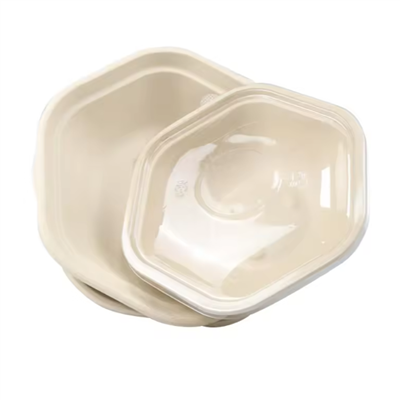
What Is Bagasse Plate


Our eco-friendly bagasse plates are made from sugarcane plant fiber. Plates made from bagasse are a renewable alternative to those made from plastic or paper. Bagasse is a by-product of sugar production. Bagasse is the fiber that remains after extraction of juice from sugarcane.


Why choose us
 
01/

Continuous strong supply capacity

Zhuli Intelligent Control Co., Ltd has four fully intelligent production lines with total 20sets of intelligent production equipments, greatly saving labor costs and improving production efficiency.

02/

Customers first service idea
Our service runs throughout the whole production process from the pre-sales, product design, production and after-sales.

03/

Rich Experience
Own mold making department, strong research and development team, providing technical support, troubleshooting, and maintenance services.

04/

One-stop Solution

We are factory, any problems that occur will be quickly shared with the team and solved.


First 123 Last 1/3
Advantages of Bagasse Plate


Easy to use and lightweight
The lazy economy is what drives retail manufacturing today, so paper plates have been in widespread use for decades. Bagasse plates have the obvious advantages of paper plate: disposable, easy to use and light weight. The convenience has become one of the important evaluation of consumers.

Bagasse plates are microwave safe
As mentioned above, bagasse plate does not have the coating or wax layer which was found in traditional paper plate. It is chemical-free and does not react with the food inside when heated at high microwave temperatures.

Bagasse plates are compostable
Environmental protection as the hottest topic has been into the public life. Eco-friendly tableware is being used more and more than plastic tableware.
Biodegradable plates are major sourcing eco-friendly products for consumers and wholesalers, such as cornstarch plates, wood fiber plates, bamboo fiber plates, palm plates, bagasse plates. Bagasse plates are the best compostable plates.

Better sustainability
As compostable plates, bagasse plates make outstanding contribution to the sustainable development of environment. Bagasse plates are rapidly biodegradable and do not release harmful chemicals. They are different from plastic plates, won’t pollute the environment for hundreds of years.

Reducing carbon footprint
In many agricultural Countries, the stock of bagasse is huge amount, the most common usage is to be burned.
Unfortunately, burning bagasse produces a lot of carbon dioxide, which greatly increases greenhouse gas emissions. Carbon dioxide could overheat the Earth and increases the greenhouse effect.

Bagasse plates are zero waste
Sugarcane is made of 50% water, 2% sugar and 48% fiber. The utilization rate of sugarcane has been very low, a small amount of sugarcane is used for sugar production (the sugar content is only 2%), and most of it will be used as fuel. As the main part of sugarcane (48%), sugarcane fiber can be made into sugarcane plates by pulping and pressing.


Bagasse Plate Features
 

Bagasse plates offer a plethora of features that make them an ideal choice for eco-conscious consumers. Firstly, they are microwave-safe and freezable, making them versatile for both hot and cold items. Their soak-proof nature ensures that they can withstand liquids without becoming soggy or falling apart. Unlike traditional paper plates, bagasse plates require no plastic or wax lining, making them fully compostable and environmentally friendly.
In addition to their durability, bagasse plates are sturdy and not very flexible, providing a stable surface for serving meals. They are suitable for temperatures ranging from -25°C to 220°C, allowing for use in various environments and serving conditions. Furthermore, these plates are water-repellent and oil-resistant, making them perfect for serving greasy or saucy foods without the risk of leakage or mess.
One of the most significant advantages of bagasse plates is their complete biodegradability and compostability. After use, they can be disposed in compost bins, where they will naturally break down over time, reducing waste and environmental impact. Overall, bagasse plates offer a sustainable and practical alternative to traditional disposable tableware, making them a popular choice for environmentally conscious consumers.


Why are Bagasse Plates Important for Sustainability?
白甘蔗渣圆盘
天然甘蔗渣圆盘
 
甘蔗渣方盘

Nowadays it is important to consider the impact of our daily choices, including the products we use. These Plates are an important part of the effort to promote sustainability. We offer a range of benefits compared to traditional paper and plastic plates.
Here are some reasons why Bagasse Cutlery are important for sustainability:
Made From Renewable Resources: These Plates are made from the fibrous residue left over after sugarcane juice extraction, it is a renewable resource that would otherwise be discarded.
Biodegradable: Bagasse Plates are biodegradable and break down naturally. It reduces waste and minimizes the impact on the environment.
Reduce Carbon Footprint: Disposable Plates from Bagasse have a lower carbon footprint compared to traditional paper and plastic plates. They are made from renewable resources and are biodegradable.


The Bagasse Plates Manufacturing Process


Bagasse tableware products are the safest eco-friendly option. The sugarcane bagasse is a tree-free alternative to harmful disposable tableware. The bagasse plates are healthy, affordable, and nature friendly. But do you wonder how bagasse plates are made? Let’s find out the entire bagasse plates manufacturing process in this blog.
We manufacture 100% compostable bagasse plates for our customer. We offer a wide range of biodegradable bagasse tableware, including cups, cutlery, bowls, trays, and clamshells.
The bagasse plates manufacturing process is safe, reliable, and environmental-friendly. The whole process is non-toxic and chemical-free. Let’s understand the step by step process of sugarcane bagasse plates;

Screening
The first process of bagasse plates manufacturing process is screening. After the juice is extracted, the bagasse is taken to the factory for screening. In this process, the sugarcane residual is cooked and crushed for the next process.

Molding
After the first process, the sugarcane pulp is diluted into the molding equipment. In the molding machine, the wet embryos of the wet pulp are created. After that, the wet pulp is converted into dry pulp by vacuum dehydration.

Drying and pressing
The semi-wet embryos are poured into the pressing mold to dry the embryos. The pressing machinery maintains high temperature and pressure. The dried sugarcane pulp is transferred in pressing molds to make different shapes of plates and other products.

Smoothing
At this stage, the staff cuts the raw edges of finished products to make them smooth. Raw and blunt edges are trimmed to smooth the final product’s surface.

Final Inspection
Before packing the plates for delivery, the quality assurance team inspects the quality of the final products. They also analyze the resistivity, holding capacity, and durability of plates before packing. At last, all the products are sterilized and sanitized before packing them.


Are Bagasse Plates Compostable?
 

Yes, Bagasse plates are completely compostable. The bagasse plates are made with pure sugarcane fibers after the juice is extracted from the sugarcane. The residual material is a waste product that would otherwise be thrown in fields.
The bagasse tableware products decompose into nutrient-rich plant fertilizer. It promotes plant growth and a greener planet initiative. Bagasse plates are compostable in both home settings and commercial spaces. However, commercial composting is faster due to proper temperature and humidity.
The bagasse tableware is a tree-free alternative that reduces deforestation massively. Bagasse tableware is the best green substitute.

天然甘蔗渣圆盘

Are Bagasse Plates Manufacturing Process Carbon Offset?


The entire bagasse plates manufacturing process does not leave carbon footprints. Moreover, the products do not release GHG gases into the environment. It saves the planet from overheating and wastes pollution.
Switching to bagasse plates and tableware products can save natural habitats and life on the planet. Bagasse plate production does not involve tress cutting; therefore, it significantly supports nature sustainability.

Bagasse vs. Plastic: Which is Better?
 

Plastic disposable products take hundreds of years to decompose. These products increase landfill pollution, GHG gas emissions, and toxins in nature. Plastic products use fossil fuels, thus the planet is becoming warmer.
In contrast, bagasse is made with a rapidly renewable resource that takes only 12-18 months for regrowth. The sugarcane pulp plates are resistant, sturdy, and eco-friendly tableware products.

Wrap Up
If sustainability is your concern, bagasse plates are the perfect choice for you. These products are reliable, budget-friendly, and durable. The bagasse plates manufacturing process is 100% toxin and harmful chemical free.

甘蔗渣长方形板


Sugarcane Bagasse Plates over Paper Plates: 5 Reasons to Switch Today
 

Are you looking for a guilt-free way to ditch doing dishes? If yes, we bet you must have tried disposables. And, while single-use plates like plastic or paper plates are convenient, they are not a great option if you are looking to live an eco-friendly lifestyle.
But, with bagasse plates, you can enjoy what we love to call "guilt-free convenience." Made out of plant-based materials like sugarcane bagasse, we  upcycle plant waste and rely on nature's fastest replenishing resources for everyday essentials that are high on convenience and light on the environmental impact.
With that in mind, here are the top reasons why sugarcane bagasse plates are a better option, when compared to paper plates.

What Are Bagasse Plates Made Up Of?
Technically, bagasse is a by-product that is left behind once the juice is extracted from sugarcane. This by-product either ends up in landfills or is burnt. However, we upcycle this plant waste to create plates that are not only sustainable but also offer uncompromising quality.
All our compostable bagasse plates are made from sugarcane bagasse and are certified compostable. Made from plants, these plates come with a back-to-nature promise and go back to nature within a couple of weeks post-disposal.

5 Reasons Bagasse Plates Are Better Than Paper Plates
Here are five reasons why disposable bagasse plates are a great alternative to single-use paper or plastic plates:

They are plant-based
As stated above, plates made out of sugarcane bagasse are purely plant-based. Unlike paper or plastic plates, which rely on non-renewable resources, bagasse plates are made only from natural resources. Moreover, unlike single-use plastic plates, they consume a limited amount of energy during manufacturing.

They are certified compostable
Every bagasse plate available is certified compostable. Certified for all compostability claims, these plates go back to nature in a couple of weeks after disposal. Moreover, unlike plastic plates that tend to stay around forever and leave behind microplastics, these plates are here for a circular economy. Whereas plastic plates contaminate the soil with microplastics, bagasse compostable plates become compost and nourish the soil.

They are microwave and freezer-safe
Besides being good for the planet, bagasse plates are pretty functional, too. From heating up the leftovers to freezing some homemade chocolates, compostable bagasse plates are microwave and freezer-friendly. In fact, you can also put them in your oven or refrigerator without worrying. Moreover, because these plates are toxin-free, they won't emit any harmful radiation even after coming in contact with high temperatures.

They are toxin/chemical-free
We mean it when we say that bagasse plates are made from zero toxins. Made safe for food contact, our bagasse compostable plates go through several quality checks to ensure what we offer isn't just good for the planet, but also good for you. In short, they are good for you, good for all.

They are super sturdy and strong
Do you hate those flimsy paper or plastic plates that get mushy or soggy under pressure? We sure do. But, with disposable sugarcane plates, feel free to lather your meal with some good amount of gravy, because of their sturdy build. Offering uncompromising quality and an extraordinary build, these disposable plates would never buckle under pressure.


Bagasse Plates and Food Safety: Ensuring Hygiene and Quality


In a world increasingly concerned about environmental sustainability, bagasse plates have emerged as a compelling alternative to traditional disposable tableware. These plates, made from sugarcane waste, offer a biodegradable and eco-friendly solution for serving food. However, concerns regarding food safety and hygiene remain a crucial aspect for consumers and food service providers alike. This blog aims to address these concerns and demonstrate how bagasse plates can be used safely while maintaining food quality and hygiene.

The Biodegradable Advantage
Unlike traditional plastic plates, which often end up in landfills for centuries, bagasse plates are compostable, breaking down naturally within months. This significantly reduces their environmental impact and promotes a circular economy. Additionally, bagasse plates are free from harmful chemicals like BPA, ensuring food safety and eliminating the risk of chemical leaching into food.

Safeguarding Food Quality
Concerns often arise regarding the ability of bagasse plates to withstand heat and maintain food quality. However, modern bagasse plates are designed to be microwave-safe and capable of handling hot and cold food without compromising temperature or causing leakage. This makes them suitable for a wide range of food options, from hot meals to cold salads.

Hygiene and Food Safety Practices
Ensuring food safety when using bagasse plates requires following basic hygiene practices:
Proper storage: Store the plates in a clean, dry environment to prevent contamination.
Handling with care: Use clean hands or gloves to handle the plates before serving food.
Food temperature control: Maintain proper food temperature throughout preparation, serving, and storage.
Proper disposal: Compost or dispose of used plates in accordance with local regulations.

Benefits for Food Businesses
The use of bagasse plates offers several benefits for food businesses:
Enhanced brand image: Demonstrates commitment to sustainability and environmental responsibility.
Cost-effective: Can be competitively priced compared to traditional options.
Reduced waste disposal costs: Compostable plates contribute to waste reduction and lower waste disposal fees.
Attracts environmentally conscious customers: Cater to the growing segment of consumers who prioritize sustainability.

Conclusion
Bagasse plates offer a safe and sustainable alternative to traditional disposable tableware. By choosing bagasse plates and adhering to proper food safety practices, food businesses and individuals can promote environmental responsibility while ensuring the highest standards of hygiene and food quality. Together, we can make a positive impact on the environment and embrace a future of sustainable food consumption.


Our Factory


At present, Zhuli Intelligent Control Co.Ltd has four highly intelligent production lines with total 20 sets of intelligent production equipments, the annual production capacity of 10000 tons can be achieved. It includes forming machines, rail robot, cutting machine, inspection and packaging machine, AGV intelligent handling car, etc. There is no direct contact with the human body during the production process to ensure the products safer and healthier.


FAQ


Q: Are bagasse plates safe?

A: Are sugarcane bagasse products sturdy? Yes, sugarcane products are much sturdier than disposable paper or plastic products. They're also leakproof and great for oily or greasy foods. While plastic and foam products are flimsy and can release toxic chemicals, sugarcane products are 100% food safe.

Q: Are bagasse plates sturdy?

A: In addition to being lightweight, bagasse plates are known for their natural sturdiness and durability. They can withstand hot and cold temperatures without warping or losing their shape.

Q: What is bagasse used for?

A: Bagasse is commonly used as a fuel in cogeneration to produce steam and generate electricity. In this process, sugar cane bagasse ash (SCBA) remains as the final waste in the sugar production chain.

Q: Can you microwave bagasse plates?

A: Bagasse looks, feels, and works good
So, you can put this stuff in the freezer, microwave or oven if you like. Bagasse is not only gluten free but also water repellent and grease-proof, so you can use it for whatever hot or cold, oily or saucy dishes you like.

Q: What is the most durable plates?

A: 10 Best Dinnerware Sets of 2024, Tested & Reviewed
Bone china is lightweight and thin, but it is considered the most durable ceramic dinnerware. It is also the most expensive material.

Q: How much does bagasse cost?

A: Please note that overflow bagasse are sold in different prices: bagasse, in pressed square of 60*60*60cm, is 40.49USD/ton, and in the bulk form it is 16.20 to 19.44USD/ton. For pellet making, the bulk bagasse are good enough for us.

Q: How long does bagasse take to decompose?

A: 60-90 days
Bagasse is 100% compostable and it biodegrades in 60-90 days. Through the use of this product, you are contributing to a sustainable planet. Bagasse is a tree-free readily renewable resource and provides a superior alternative to petroleum derived products.

Q: Can bagasse replace plastic?

A: Overall, biodegradable plates made from Bagasse pulp are a promising alternative to traditional plastic plates. They are environmentally friendly, safe for human health, and cost-effective to produce.

Q: What is the shelf life of bagasse?

A: Bagasse products made from non-wood fibers, have no maximum shelf life. Our PLA products should be stored in a cool dry area to achieve maximum life expectancy 2 + years.

Q: Can you bake with bagasse container?

A: Bagasse products can tolerate heat upto 200 F. So, they are oven safe ONLY up to 200 F. We do not recommend that Bagasse/sugarcane products are to be used in ovens with extremely hot temperature.

Q: What are the advantages and disadvantages of bagasse plates?

A: Bagasse plates are compostable
Bagasse plates are the best compostable plates. Plastic plate material is Styrofoam. The main drawback of styrofoam is that it is really difficult to degrades. Plastic plates will take up to 400 years to degrade, it is bad for environmental sustainability.

Q: Why is bagasse better than plastic?

A: Plastic waste is a major contributor to landfill and ocean pollution. It does not biodegrade, and single-use plastic products often end up in the environment, where they can harm wildlife, marine life and ecosystems. Bagasse, on the other hand, is biodegradable and does not contribute to landfill or ocean pollution.

Q: How do you dispose of bagasse plates?

A: Since the products are made from sugar cane, they can be disposed of in the organic waste bin in a sustainable and environmentally friendly manner. If you have a garden, you can also compost the products yourself. Within 8 weeks, the bagasse tableware produces humus, which you can use as a basis for new plants.

Q: Where can we find bagasse?

A: Bagasse is the pulpy material that is left after the sugarcane has been processed and squeezed out of its juice. You can probably see these in markets where local vendors sell fresh sugarcane juice.

Q: Are bagasse plates recyclable?

A: Bagasse plates are the ultimate fast food packaging option for those looking for high quality, recyclable, biodegradable and microwave-friendly materials to provide the best takeaway service.

Q: Is bagasse bad for the environment?

A: Large scale sugarcane bagasse storage in uncovered stockpiles has the potential to result in adverse impacts on the environment and surrounding communities through hazards associated with nuisance dust, groundwater seepage, spontaneous combustion and generation of contaminated leachates.

Q: Is bagasse flammable?

A: Bagasse, the fibrous matter that remains after the extraction process from sugarcane, is still a valuable resource to the Sugar Milling Industry, since it may be used to generate electricity or as a building material. However, it is vulnerable to spontaneous combustion during storage.

Q: What is the best use of bagasse?

A: Bagasse is suitable for both hot and cold products, making it very useful for food packaging and tableware. Additionally, it can be put in the freezer and the microwave. It's water-resistant and suitable for greasy foods and hot applications (up to 120℃).

Q: Is bagasse waterproof?

A: The fibrous nature of bagasse creates a network structure that helps to prevent water from easily seeping through. However, it is important to note that while sugarcane bagasse products exhibit water resistance, they are not completely waterproof.

Q: Is bagasse a bamboo?

A: Bagasse mulch is a byproduct of sugarcane plant stalks after harvest. Like Bagasse, bamboo mulch is formed after juice has been removed from the sugarcane or bamboo stalk, and is a product that would traditionally be thrown out and regarded as waste.

As one of the leading bagasse plate manufacturers and suppliers in China, we warmly welcome you to wholesale discount bagasse plate in stock here from our factory. All customized products are with high quality and low price.

24 Oz Round Soup Or Salad Bowl, Bagasse Soup Or Salad Bowl, Bagasse Round Bowl