


On July 2, Eastern Time, US President Trump announced that he had reached a tariff agreement with Vietnam. According to the agreement, the United States will impose a 20% tariff on Vietnamese exports, and any goods transiting through Vietnam from a third country will face a 40% tariff. He also said that Vietnam will impose zero tariffs on US products.
It is also unclear how transshipment provisions for products that are primarily manufactured in China and then finished in Vietnam will be implemented.
This agreement is likely to be a sample of the United States targeting commodity exporting countries such as Southeast Asia and China. In particular, several major domestic suppliers have already built factories in Thailand (Dashengda will also join this camp). If nothing unexpected happens, Thailand is also expected to get a 20% tariff rate, which is good news for meal bag exporters who have been troubled by the US anti-dumping and countervailing duties.
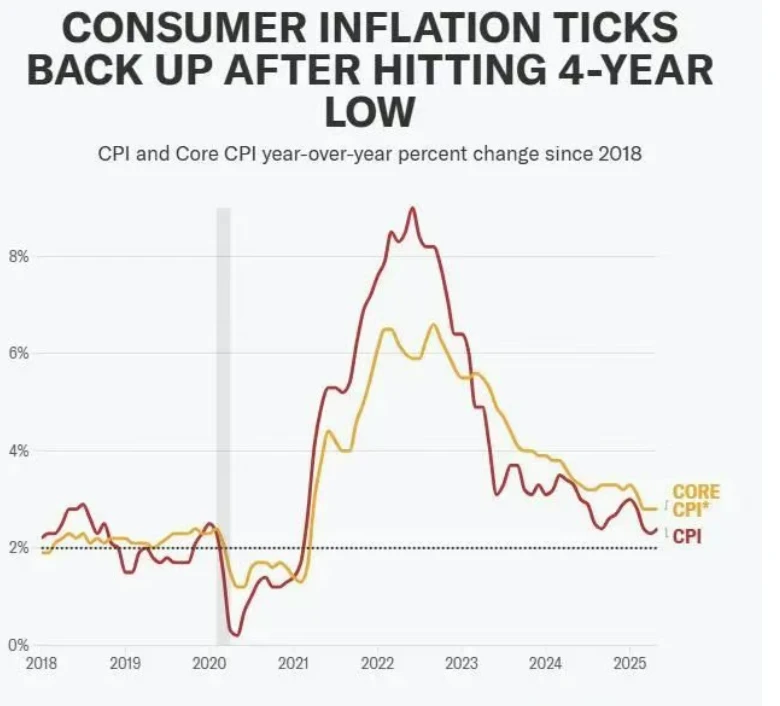
At present, exporting countries represented by Southeast Asia and Mexico do not have much bargaining chips in the game with the United States. On the contrary, after three months of tariff war, there has been no major inflation in the United States, and US prices have returned to the benign state of Trump's first term. On June 11, the latest data from the US Bureau of Labor Statistics showed that the consumer price index (CPI) rose by 0.1% month-on-month, lower than the 0.2% increase in April, but better than the 0.2% monthly increase expected by economists. In May, the CPI rose by 2.4% year-on-year, a slight increase from the 2.3% increase in April, the lowest year-on-year increase since February 2021.
